
Your cart is empty, and it looks like you haven’t added anything yet.
Development is often measured through infrastructure, investment and economic growth. Roads expand, industries grow and markets evolve. Yet sustainable development is rarely built through economics alone. It also depends on participation, trust, awareness and community-level transformation. This is where NGOs and Self-Help Groups (SHGs) become significant. They are not merely support systems operating at the margins of society. In many regions, they function as bridges between policy and people, connecting large-scale development goals with everyday realities.
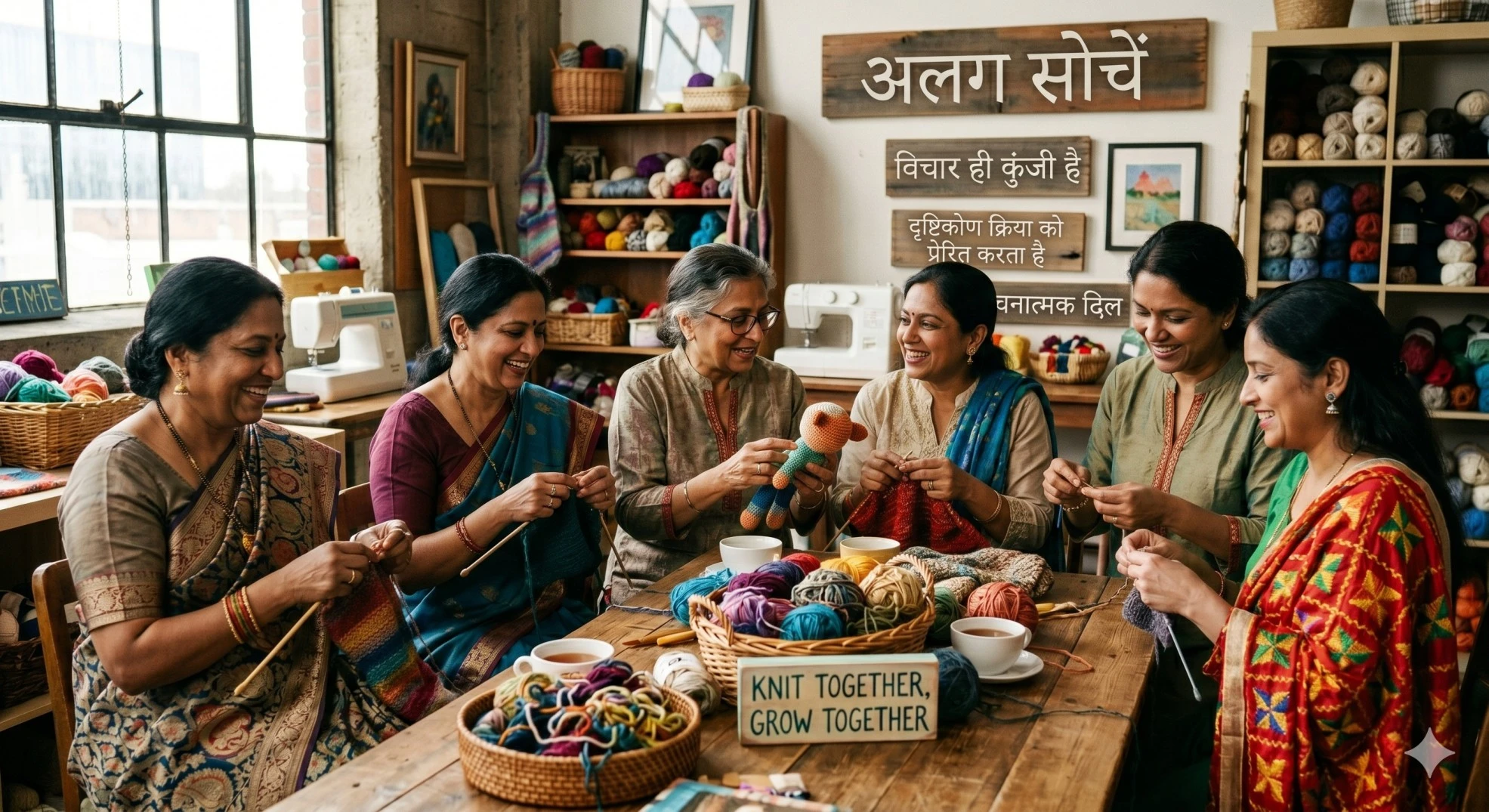
Economic development is commonly understood through income generation and employment. NGOs and SHGs certainly contribute to these areas by supporting livelihoods, skill-building and financial inclusion, especially in rural and semi-urban communities. However, their impact often goes deeper than income itself. When women join Self-Help Groups, for example, the outcome is not limited to savings or microfinance access. Participation gradually changes confidence, decision-making ability and community involvement. Financial inclusion often becomes social inclusion.
“Economic empowerment changes income. Social empowerment changes identity.”
This distinction is important because development is not only about earning capacity. It is also about participation and agency.
Many social challenges persist not because solutions are absent, but because awareness, trust and local engagement are weak. NGOs and SHGs frequently operate at this human level, where relationships matter more than systems. Whether the focus is education, health, sanitation or women’s participation, these organizations often create spaces where people begin to communicate, collaborate and collectively solve problems. Yahaan development sirf policy nahi rehta, process ban jata hai. In many communities, SHGs also reduce isolation. Individuals who previously had limited public participation begin contributing to discussions, local initiatives and collective decisions. Gradually, confidence becomes visible at the community level. This social cohesion is difficult to measure statistically, yet it significantly influences long-term development outcomes.
Environmental sustainability is frequently discussed at global forums, but its implementation often depends on local behaviour. NGOs and community-based groups play a critical role in translating environmental awareness into everyday practice. Waste management, water conservation, sustainable farming and local resource protection become more effective when communities are directly involved rather than externally instructed.
“Real sustainability begins when awareness becomes behaviour.”
Many NGOs work not only to educate communities about environmental issues, but also to reconnect people with the relationship between lifestyle and ecological impact. This is especially important in rural regions where livelihoods remain closely linked to natural resources. SHGs, meanwhile, often encourage localized production models, reuse systems and collective resource management, which indirectly strengthen sustainable practices.
Perhaps the most overlooked impact of NGOs and SHGs is individual development. When individuals participate in collective work, they often discover abilities that remained unused in isolated environments. Communication improves. Leadership develops. Confidence increases. A person who once hesitated to speak in public may eventually lead a group discussion or manage financial activities for an SHG. These changes may appear small externally, but they alter how individuals perceive themselves. “Development is most powerful when people stop seeing themselves as dependent and start seeing themselves as capable.”
This psychological shift creates long-term impact because self-belief influences education, livelihood decisions and community participation.
One of the biggest misconceptions about NGOs and SHGs is that they function only as welfare structures. While support is important, their deeper role lies in enabling systems of participation and resilience.
Strong communities are not built only through financial assistance. They are built through awareness, collaboration and local capacity. The real significance of NGOs and SHGs lies in their ability to humanize development. They remind us that progress is not only about economic indicators, but also about how individuals, communities and ecosystems evolve together. Because meaningful development is rarely achieved through growth alone.
It is achieved when people become active participants in shaping their own future.
You need to Sign in to view this feature
This address will be removed from this list